
Shop by Creator
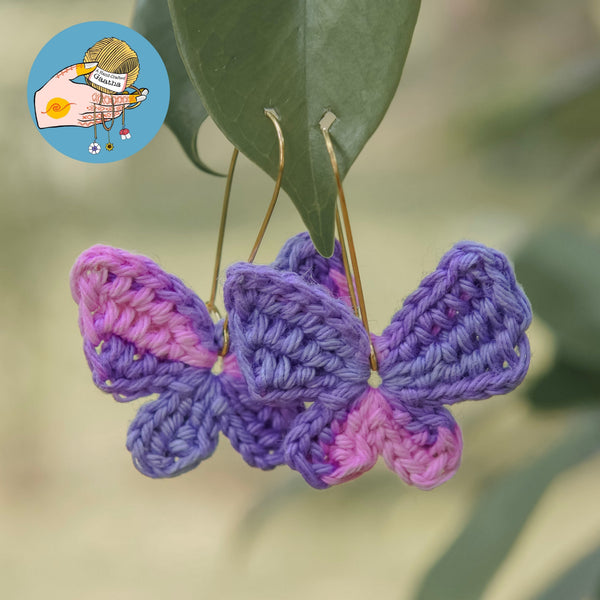
A Hand Crafted Gaatha
Tanisha is the founder and maker behind A Handcrafted Gaatha. She works primarily with crochet, creating handmade pieces using yarn and simple tools. She began crocheting a little over two years ago, teaching herself through online videos during a period of health challenges that required her to slow down. What started as a way to cope and stay occupied gradually grew into a small, independent brand rooted in handmade practice and personal care.
Today, Tanisha designs and creates her own crochet pieces and also works closely with women artisans, many of whom are homemakers or have stepped away from formal work due to health or family responsibilities. Each piece is made entirely by hand, with timelines varying based on size and detail, from small accessories to more layered designs. She does not follow trends or fixed production speeds, choosing instead to make work she personally connects with. The focus of her practice is on thoughtful making, shared skills, and creating objects that carry time, effort, and individual rhythm.
📍 Ghaziabad
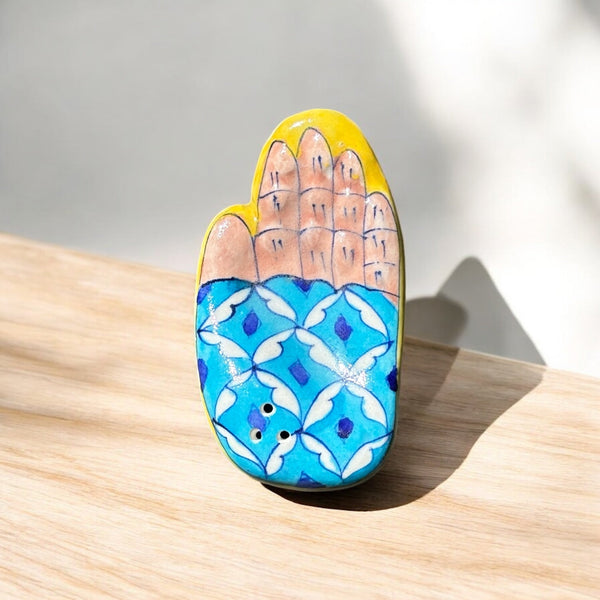
Aditya Blue Art Pottery
Aditya Blue Art Pottery is a Jaipur-based craft studio dedicated to preserving and reinterpreting the centuries-old tradition of Jaipur blue pottery. The studio works closely with skilled local artisans, overseeing the process from design development to handcrafting and finishing. Aditya Blue Art Pottery focuses on functional and decorative homeware such as plates, diyas, and dispensers, all created using the traditional blue pottery technique. Each piece is handmade in small batches, using mineral-based pigments and the signature blue-and-white palette that defines the craft.
Its journey is rooted in Jaipur’s history, where the craft arrived through Persian influences and evolved under royal patronage. Motifs are chosen through careful study of nature, architecture, and traditional floral patterns, adapted for contemporary living. For the studio, true Jaipuri blue pottery lies in technique and lineage, where every object carries heritage and the mark of the artisan’s hand within modern homes today everywhere.
📍 Jaipur
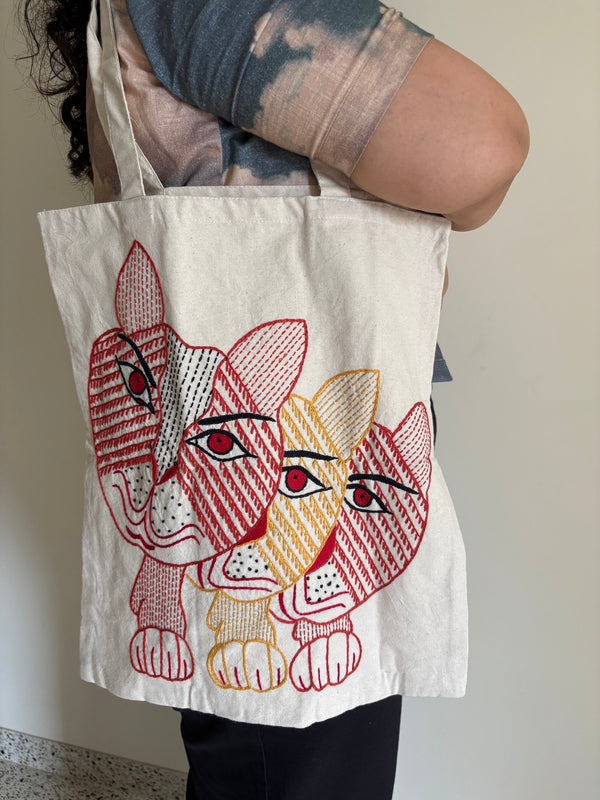
Aham Bhumika
Aham Bhumika is a women-led slow fashion and embroidery collective based in Madhya Pradesh. The organisation works closely with rural women artisans, bringing together design, hand embroidery, and storytelling rooted in everyday life. Each piece is developed collaboratively, from concept to final stitch, ensuring that artisans’ voices, skills, and lived experiences actively shape the outcome.
The creative language of Aham Bhumika draws deeply from the rural landscapes of Madhya Pradesh, its birds, fields, people, rituals, and rhythms of daily life. These elements mirror the worlds the artisans inhabit, allowing their memories and surroundings to surface naturally through thread.
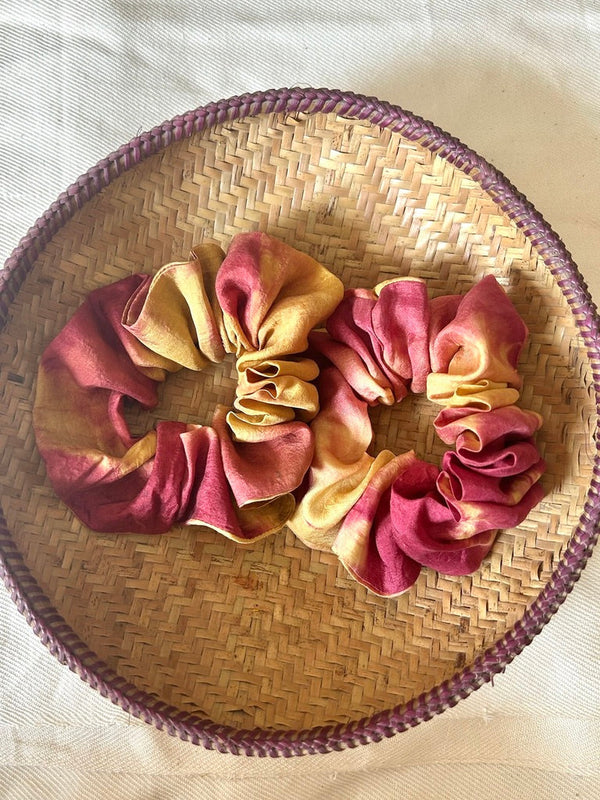
Akané
Juhi and Janhavi are sisters and the founders of Akané, a brand rooted in natural dyeing and handmade textiles. They work with natural dyes to create clothing and accessories, offer dyeing services, and conduct workshops to share their process. Their practice is centered on working closely with fabric, color, and nature, using traditional methods that involve hand preparation, small-batch dyeing, and slow production.
Their journey began with a shared inclination toward making and working with color from a young age. Janhavi discovered natural dyeing during her master’s degree in 2016, where it began as a project and slowly became her primary practice. Juhi joined the journey in 2019, after studying fashion and realizing she wanted to work outside the corporate system, with a stronger focus on sustainability. Together, they built Akané as a space to explore natural dyeing through textiles. Their process involves scouring and mordanting fabrics, extracting color from flowers, leaves, roots, and seeds, and embracing the natural variations that come with each batch. Working mainly with handwoven fabrics, they value the connection to material, makers, and process, and approach their work as a continuous practice of learning, experimentation, and care.
📍 Mumbai
Al Maun
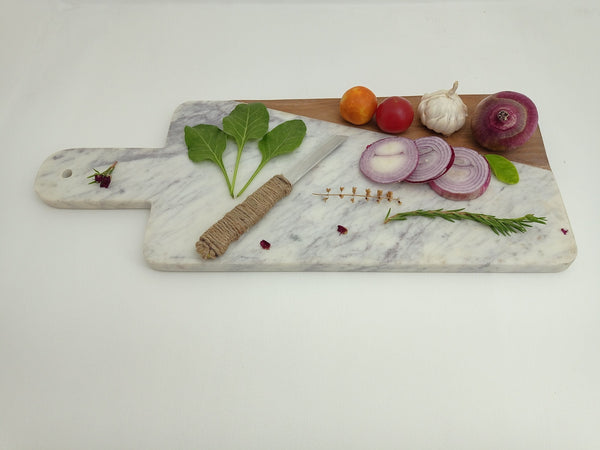
Imtiaaz Ali is the founder of Al Maun, a heritage stone craft studio based in India. He leads the practice alongside a close-knit team of master artisans, overseeing design, carving, finishing, and quality with equal care. Al Maun focuses on handcrafted stone objects made entirely by hand, using natural stone as its primary medium. Each piece is carved using traditional techniques, guided by Islamic geometry and architectural motifs, and produced in small batches.
His journey is rooted in a 450-year-old family tradition of Mughal stone carving, passed down through generations of craftsmen once commissioned for historic monuments. Over time, this knowledge evolved from monumental architecture to functional art for everyday spaces. Drawing inspiration from medieval buildings, Al Maun creates boxes, candle holders, incense stands, tableware, and decor that blend tradition with modern utility. Through Al Maun, Imtiaaz is committed to preserving craftsmanship, empowering artisans, and ensuring a legacy.
Anchita Sharma
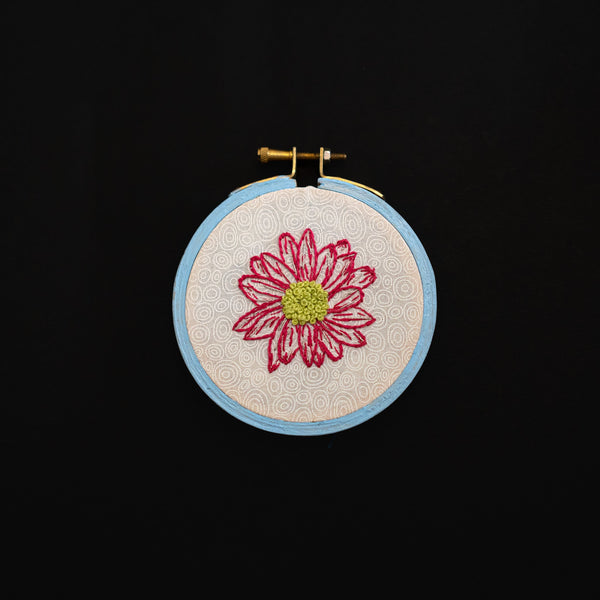
Anchita is an embroidery and mixed media artist who works with paint, floss, fabric, beads, sequins, and metallic threads. Her practice began a little over a year ago, when embroidery became a way to cope during a personally difficult time and slowly grew into a full-fledged art practice. Today, her work moves between small formats like hoops and accessories, and larger pieces that explore texture, color, and surface in detail.
Her process is intuitive and hands-on. She visualizes a piece, plans with notes and color palettes, and then commits directly to fabric, allowing room for trial and error along the way. Painted skies, layered landscapes, and free-form embroidery are recurring elements in her work, reflecting her interest in breaking away from rigid rules. By combining multiple materials and techniques, she treats embroidery as a flexible, contemporary medium rather than a fixed tradition, creating pieces that are meant to be lived with, worn, and eventually find their own homes.
📍 Bangalore
Artham
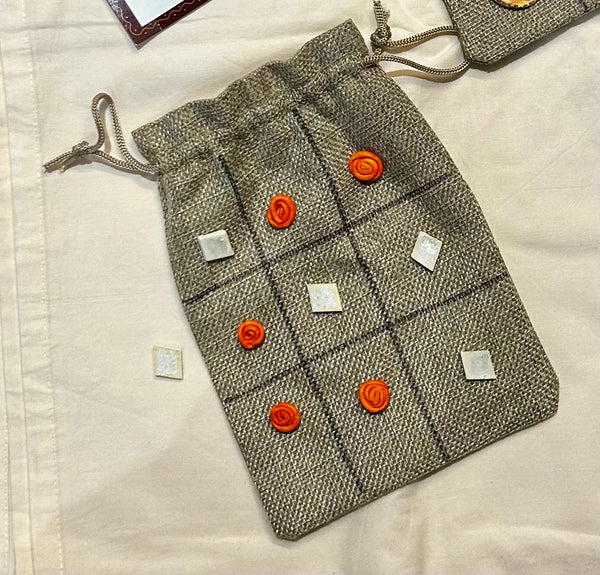
Prashantini is the founder of Artham, a handmade art brand started in 2022. She is also an early childhood educator, and both roles shape the way she works with care, patience, and intention. Her practice is rooted in making functional and giftable objects that carry memory and meaning. Her interest in working with her hands began in childhood and grew stronger over the years through constant experimentation with materials, form, and storytelling.
She primarily works with clay, along with paint, thread, and resin, building each piece slowly over several days. The process includes shaping, detailing, painting, and finishing by hand, allowing space for small variations that make every object unique. Her work often draws from everyday Indian life such as language, textiles, childhood objects, and shared cultural moments. Through Artham, she creates keepsakes that are meant to be used, gifted, and held onto, turning familiar, ordinary forms into objects that feel personal and lasting.
📍 Tamil Nadu
Bae & Bee Studio
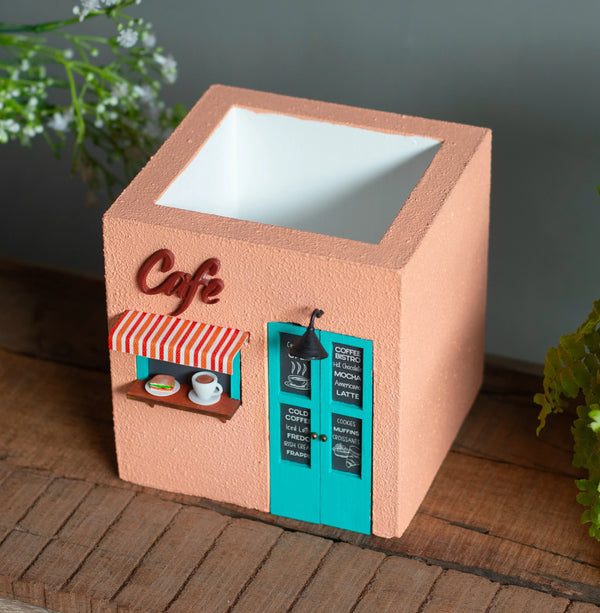
Bae & Bee Studio is run by Jayesh and Aaditi, a husband–wife duo who work together as artists and makers. With backgrounds in VFX and landscape architecture, they started the studio in 2023 with the intention of building something hands-on and meaningful together. What began as making décor for their own home slowly grew into a practice focused on small, detail-rich art pieces that bring character to everyday spaces. While the studio began as a duo, it has since grown to include a small production team that supports the making process.
Their work centres around miniature art made using concrete and wood. Each piece is built slowly, with attention to structure, durability, and function, and usually takes around four days to complete, including drying time. Concrete allows them to experiment with textures, drilling, layering, and adding fine miniature details directly onto the surface, while wood adds warmth and balance. Working closely as a team, they design and make every piece together, often customising forms and details based on ideas, spaces, or stories shared by their customers. For them, the studio is a space for constant learning, collaboration, and creating objects that feel personal, thoughtful, and made to last.
📍 Mumbai
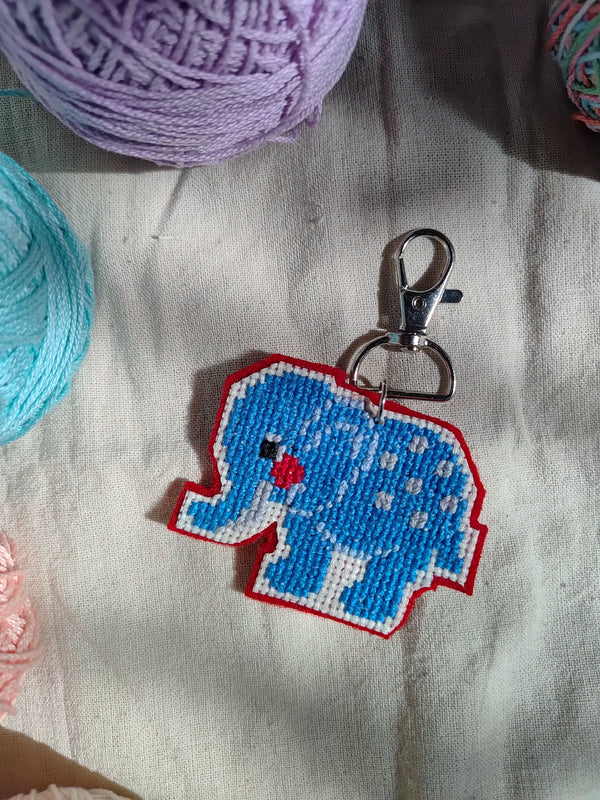
Cassynaz Crafts
The artist behind this brand is Cassandra Nazareth, an entrepreneur who has been working with art and craft since the age of eight. Coming from a family of crafters, she grew up learning by doing and has spent decades exploring different forms of handmade expression. Today, her brand focuses on creating functional art using thread-based techniques, with a strong emphasis on slow, handcrafted processes and reuse of materials.
Her practice centres around thread paintings and embroidery, where each piece is built stitch by stitch, much like drawing with thread. She enjoys working with fabric, texture, and colour, and often lets available or saved materials guide what she makes next. Many of her works begin with what already exists, cloth, thread, or objects meant to be discarded, and are carefully transformed into usable art. Every piece takes hours to complete, with attention given to each stitch, making the process as deliberate as the final outcome. For her, making art is about time, care, and creating something meaningful that can be used and lived with every day.
📍 Goa
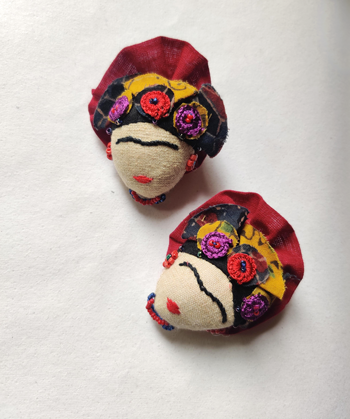
DITI
Diti Mistry is the founder and designer behind Diti, an independent wearable art and design studio. She leads the brand from concept to creation, working closely with a small in-house team to create bold yet thoughtful fashion and home art pieces. Diti works with discarded fabrics, jute, wood, stones, and cords as her primary materials, transforming what is often considered waste into raw, honest, statement-making creations.
Her practice is deeply rooted in the idea that stories can be told without waste and that fashion and art can exist in harmony with the earth. Inspired by travels, memories, and interactions with artisans, tribes, and earth-dwelling communities, Diti’s designs become vessels of cultural identity and lived experience. Materials are sourced from local boutiques, tailors, and craftspeople, grounding the work in community and collaboration.
📍 New Delhi
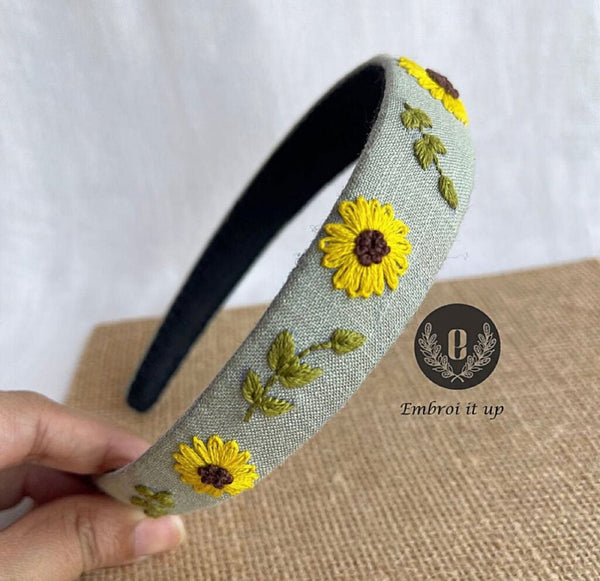
Embroi It Up
Siddhi Shelke is the artist behind Embroi It Up. She started the brand in 2022, working with hand embroidery as her primary medium. What began as a search for purpose slowly turned into a full-time practice, where drawing, stitching, and building a brand became part of her everyday life.
Siddhi works closely with karigars to turn ideas into embroidered pieces. Each design starts on paper, followed by colour selection and detailed discussions with the artisans about the final outcome. A sample is created, reviewed, and refined before it is approved for sale. Depending on the design, a single piece takes about 2–5 hours to complete. For her, selling art is not just about the final product but also about the time, effort, and people involved in making it. Through Embroi It Up, she focuses on creating hand-embroidered products while supporting and empowering artisans who continue to practice and preserve this craft in a fast-changing market.
📍Mumbai
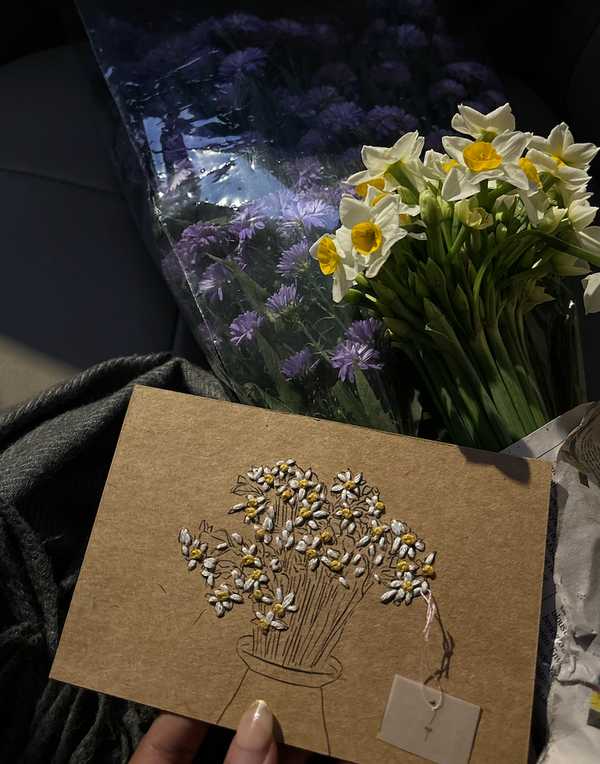
Embroidered Postcards
Embroidered Postcards was born from observing and sketching the artist - Tulika Saxena's surroundings and converting them to realistic, hand-embroidered postcards. The work focuses on slow, handmade embroidery on paper, with thread as the primary medium, and each postcard is created individually or in small batches. These pieces are intimate, tactile objects, meant to be kept, or gifted, rather than mass-produced artworks.
Their practice is shaped by a close, everyday relationship with nature, especially the trees, flowers, and landscapes. The postcards function as small repositories of lived moments, capturing seasons, walks, and fleeting details of the natural world. Through this work, the artist hopes that whoever holds a postcard carries a sense of emotional connection to a place and a moment in time.
📍 New Delhi
Fifth House
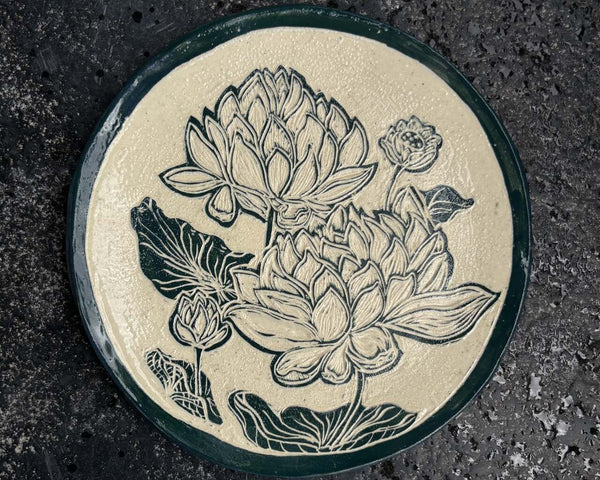
Gargi Ajay Upadhyay and Maitreyee Upadhyay are the sister founders and artists behind Fifth House. They run the practice collaboratively, from concept development to making and presenting finished works. Fifth House focuses on paintings and ceramic works, often using techniques like sgraffito to build layered surfaces.
Their journey with Fifth House grew from a shared upbringing and a habit of making art side by side. Feminism sits at the core of their practice, informing works that playfully yet critically question stereotypes around women, identity, and visibility. Indian literature, cinema, and visual culture deeply influence their storytelling, creating art that is bold and expressive.
📍Mumbai
Hoopables
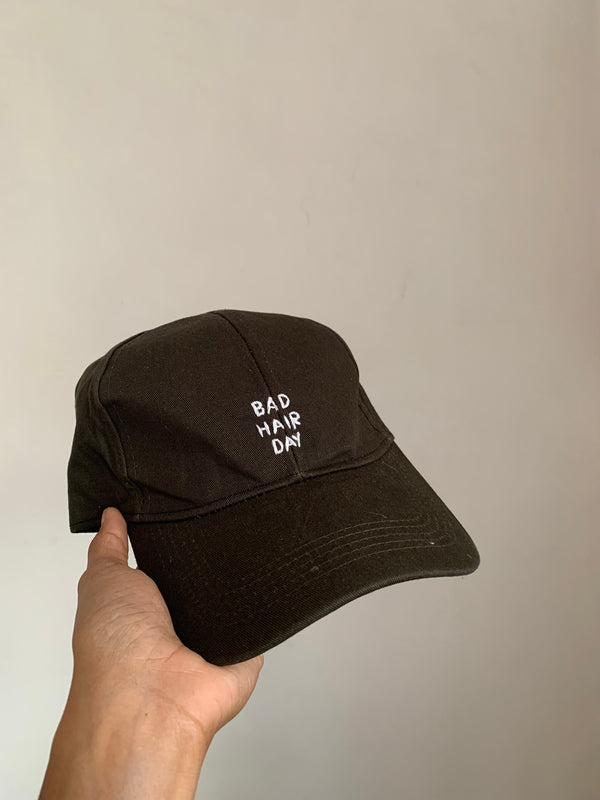
Anupama is the artist behind Hoopables, an embroidery-led art brand based on slow, thoughtful making. She has been practicing embroidery for over seven years, returning to the craft in 2018 after learning basic stitches as a child. Hoopables brings together wall pieces, keepsakes, and wearable objects like caps and totes, along with beginner-friendly supplies for those starting out with embroidery.
Anupama’s journey with art has always been personal and hands-on. After exploring many mediums over the years, embroidery became the one that stayed, especially during a turning point in her life that pushed her to choose art on her own terms. Each piece is stitched by hand, starting from drawing and layout to hours, and sometimes days or weeks, of careful embroidery. Her work focuses on intention, durability, and use, deciding whether a piece belongs on the wall or the body based on how it will live with someone. For her, making art is not separate from daily life; it is a steady practice of noticing, slowing down, and creating something meant to last.
📍 New Delhi
Juhu Beach Studio
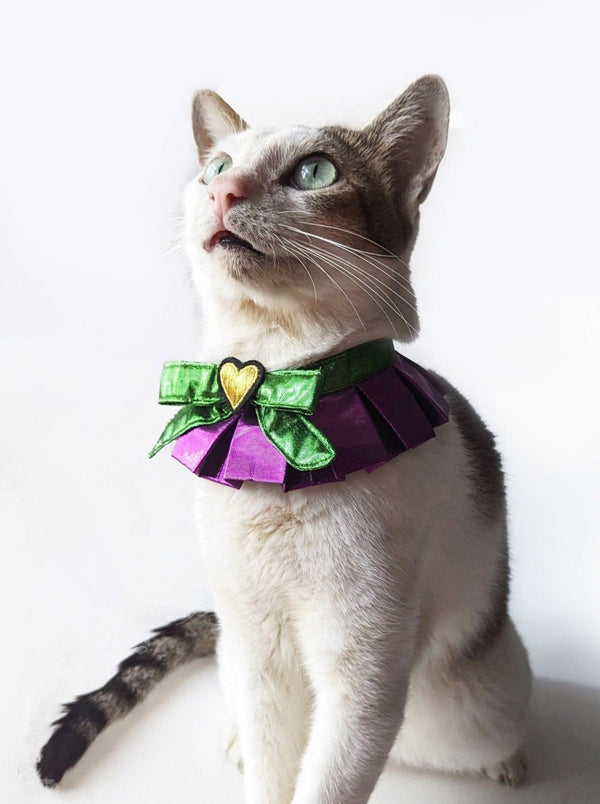
Started by co-founders Prakruthi Rao and Akshara Mehta, Juhu Beach Studio is an independent art and design brand based in India, working with handcrafted products rooted in textile waste and everyday observations. The studio runs its practice end to end, from conceptualising and designing to making and refining each piece, often working backwards from the materials available. Each creation is made slowly, entirely by hand, and no two pieces are ever the same, reflecting the studio’s belief in uniqueness, imperfection, and the sacred relationship between hand, tool, and mind.
What began as a fascination with waste and material transformation grew into a philosophy that sees art as a driving force of life, something that brings colour, meaning, and the will to live into everyday existence. In an Indian context, Juhu Beach Studio’s work is perceived as desi yet contemporary, combining craft techniques with a modern, maximalist sensibility that values fun, self-expression, and individuality over trends.
📍Mumbai
Kala Vatika
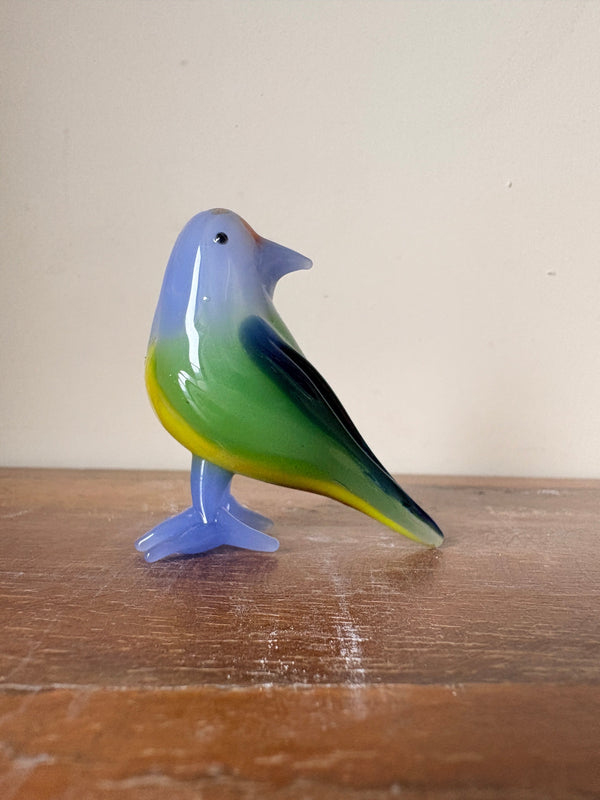
Kala Vatika is a glass art practice founded by Dinesh Prajapati, rooted in a deep commitment to reviving the beauty and craftsmanship of traditional glasswork. Based in Agra, the studio focuses on handcrafted glass pieces ranging from jewellery to playful figurines like owls and octopuses, each shaped with precision and care. Every creation reflects a hands-on process, where molten glass is transformed into delicate and expressive forms that celebrate both skill and imagination.
The journey of Kala Vatika began with a simple yet powerful conversation between Dinesh and his mother about the declining quality and artistry of glass bangles. What started as a personal pursuit soon grew into a larger mission: to restore the lost finesse of glass craftsmanship. Through Kala Vatika, Dinesh not only preserves a legacy of glass artistry but also reimagines it for a new generation, creating pieces that feel vibrant, detailed, and full of life.
📍Agra
KEC Green Games
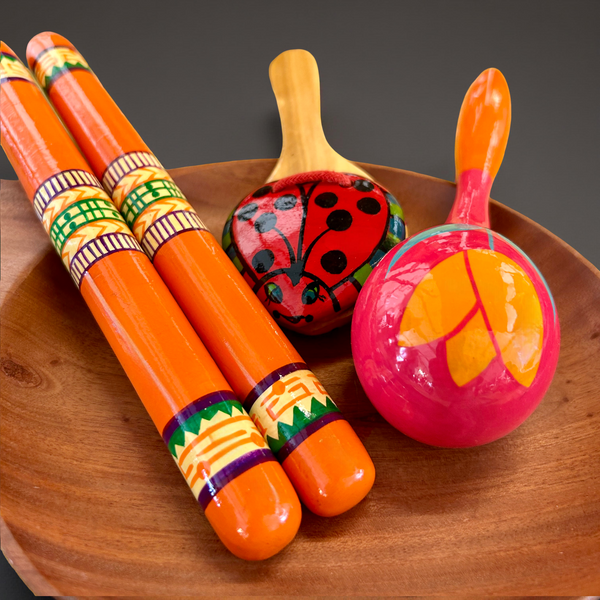
KEC Green Games is founded by educationists and cognition facilitators who work closely with generational artisans and urban marginalised communities across India. The brand focuses on handcrafted cultural games and toys made using wood, natural cloth fibre, and paper. These materials are chosen for their tactile quality and for being safe and familiar to work with and use. Each piece is developed in collaboration with artisans who have practiced their craft across generations.
The journey into this work began with years of engaging young minds and observing how increased digital exposure affected individuality, attention, and resilience. This led to a shift toward traditional play, storytelling, and cultural games that have existed across societies for centuries. The artists curate each product based on relevance today, the artisan’s comfort with the craft, and fair economic value. Production time varies depending on complexity, but every piece is handmade and relies fully on skill developed over many years. Through these games, the artists aim to reintroduce hands-on play and create moments where children and adults can reconnect with shared forms of learning and leisure.
📍Mumbai
Khoj Sabai Craft
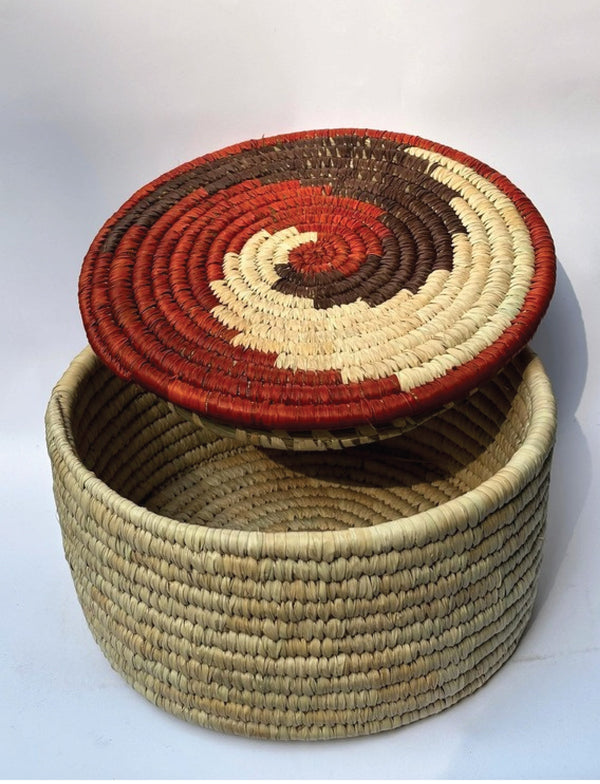
Ranjita Dhal is the founder of Khoj Sabai Crafts, a women-led craft collective based in Odisha, India. She oversees training, design development, production, and community coordination, working closely with artisans across nearby villages. Khoj Sabai Crafts focuses on handmade products created using sabai grass, a durable natural fibre indigenous to the Mayurbhanj district. Each piece is woven using traditional techniques, often combining sabai grass rope with date leaves to create baskets, mats, boxes, handbags, furniture, and contemporary decor, produced in small batches and bulk orders alike.
Her journey with sabai grass began over a decade ago, when she trained herself in the craft before teaching other women in surrounding villages. Today, around 300 women actively practice this craft, including members of her own family. Ranjita continues to innovate by adapting weaving to customer preferences. Through Khoj Sabai Crafts, she sustains rural livelihoods and preserves knowledge through craftsmanship.
📍Orissa
Knots to Node
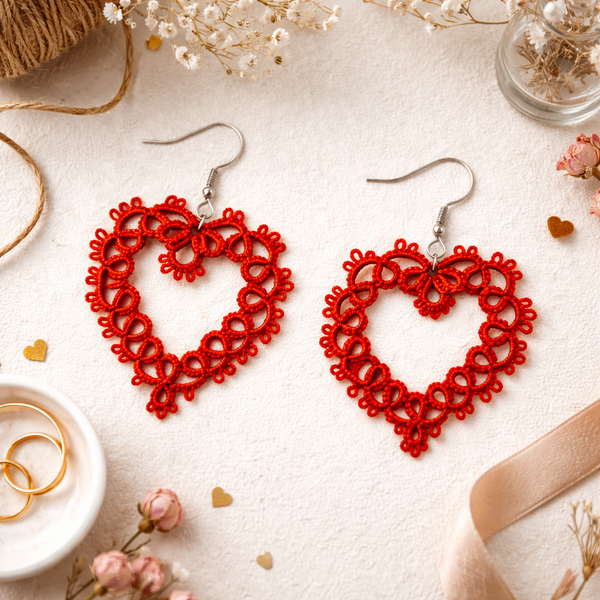
Knots to Node is a mother–daughter led practice by working with the lace-making technique of tatting. The brand began after 2021, when the founder rediscovered her mother’s tatting work, a skill she has practiced since the age of 13. What started as a shared moment at home grew into a focused effort to continue and present this craft today. Knots to Node currently works between Lucknow and Bangalore.
Their work is created entirely by hand using thread and a tatting shuttle. Each piece takes between 3 to 7 hours, depending on complexity, with every knot formed individually. The mother, Archana, brings decades of technical knowledge, while the daughter, Stuti, shapes contemporary designs and applications. Together, they focus on precision, consistent tension, and respect for the process. Their practice centres on sustaining the craft through careful making, honest timelines, and objects that reflect time, labour, and continuity.
📍Lucknow

LAFA
LAFA is a product design studio which functions as a space for experimentation and material-led design through everyday objects and playful art forms. LAFA works across paper, biodegradable materials, and print, creating items such as hand-bound books, reinforced paper bags, biodegradable masks, posters, and small collectible objects. Rooted in the founders’ experience of building a biodegradable packaging design and distribution startup, the studio places strong emphasis on quality, material intelligence, and thoughtful making, producing work that balances function, humour, and visual impact.
LAFA’s practice is shaped by its Goan context and interests in bookbinding, print culture, and popular memory. Their books draw on nostalgia and humour, while embracing colour, maximalist expression, and playful typography as tools for storytelling.
📍 Goa
Loka Loka Studio
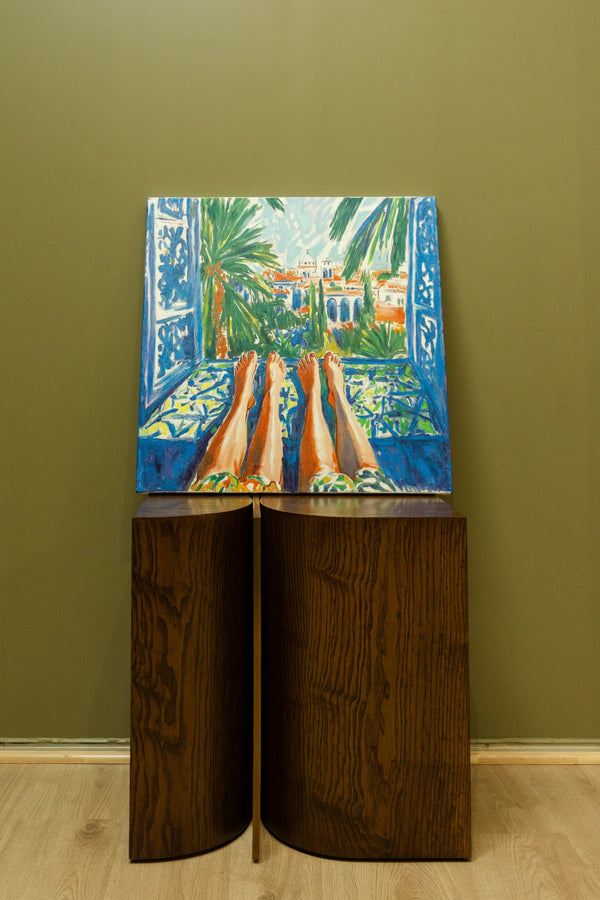
Saanya Rallan is the founder and creative force behind Loka Loka Studio based between Goa and Gurgaon in India. Loka Loka Studio focuses on affordable, hand-painted artworks created in acrylics and oils, made to order and released as curated collections. Each piece is painted by hand, designed to bring warmth, emotion, and conversation into everyday living spaces.
Her journey with Loka Loka grew from a childhood surrounded by creativity, and a mother who believed art is lived, not just made. What began as an instinctive response to messy paints and loud ideas evolved into a studio practice. Saanya draws from design, color theory, and daily life, grounding her work in themes of sisterhood, lineage, and shared worlds. Through Loka Loka, she creates art.
📍 Gurgaon
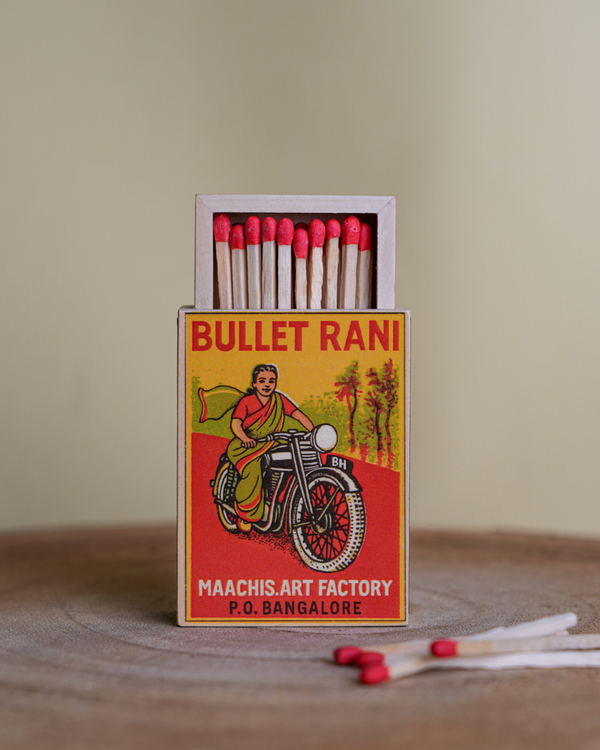
Maachis
Sonal Nagwani is the founder and designer behind Maachis, an independent art and design collective based in Bangalore. Maachis centres on handcrafted wooden matchboxes that revive and reinterpret historic Indian matchbox art. Each piece is thoughtfully designed, produced in small batches, and treated as both a functional object and a collectible artwork.
Her journey with Maachis grew from a fascination with everyday Indian visuals and the overlooked power of small objects as cultural storytellers. Drawing from archival matchbox labels, street signage, truck art, and popular imagery, her work explores memory, politics, humour, and identity. Matchbox art remains central to the practice because of its accessibility and history as a mass medium that once carried bold ideas into daily life, and connects art with everyday living.
📍 Bangalore
Maha by Ritu
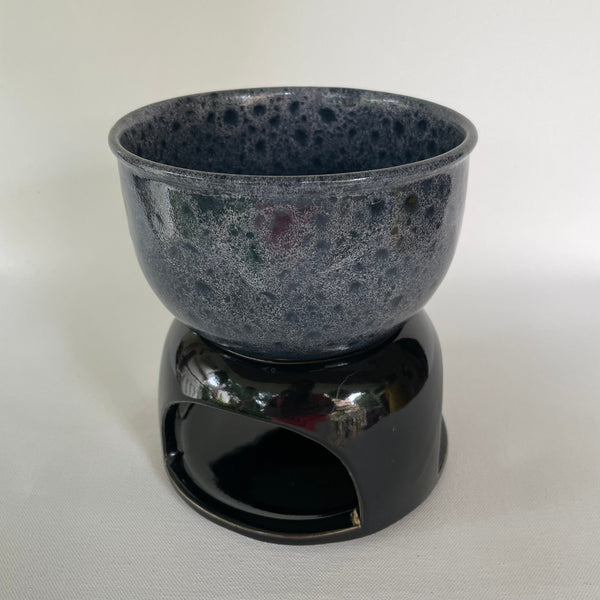
Ritu Seksaria is the founder and artist behind Maha by Ritu. The brand focuses on handcrafted ceramic, clay sculpture, and wearable art, created slowly and intuitively by hand. Each piece is shaped through touch, time, and instinct, reflecting Ritu’s belief in authenticity, patience, and emotional depth.
Her artistic journey spans over four decades, beginning in 1979 with painting and deepening in 2018 when travel to Pench led her to clay. What began as curiosity became a daily, meditative practice. Ritu’s work draws from human and animal forms, guided by sketching, intuition, and material response. Through Maha by Ritu, she creates art to give joy, inviting people to live with pieces that grow, evolve, and carry quiet emotion and grounded presence rooted in lived experience.
📍 Kolkata
Manasai Art
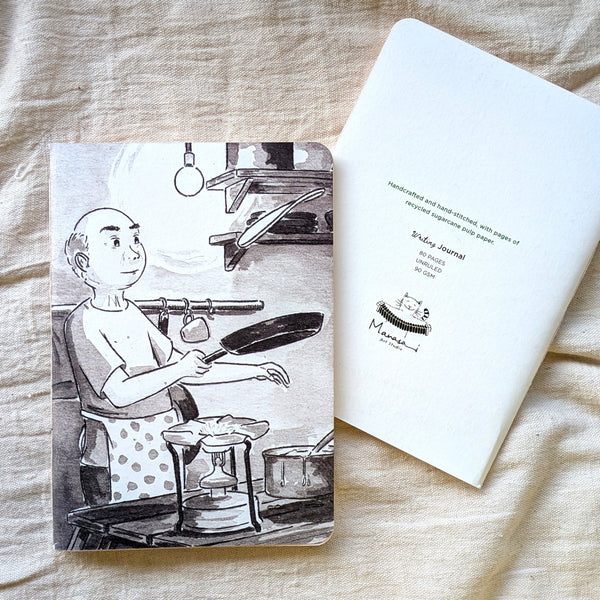
Manasa is an illustrator and comic artist based in Goa. She has been painting since 2019 and has been working professionally since 2023. Her practice is rooted in stories from her grandparents and her village in the Eastern Ghats. Through simple, everyday scenes told with humour, she explores social structures and hierarchies. She primarily works with traditional mediums such as watercolours, ink, and coloured pencils.
Her work begins with an illustration that takes about three to four days, moving from ideation and rough sketches to inking and painting on watercolour paper. These illustrations are then printed and hand-bound into notebooks using sugarcane pulp paper, trimmed and finished by hand. Manasa is drawn to slow, traditional processes that mirror the life she depicts. For her, art is storytelling, and each piece carries the layers of stories behind how and why it was made. She hopes that when someone picks up her work, it feels like resting under a mango tree on a warm, quiet afternoon.
📍 Goa
MILIMETER
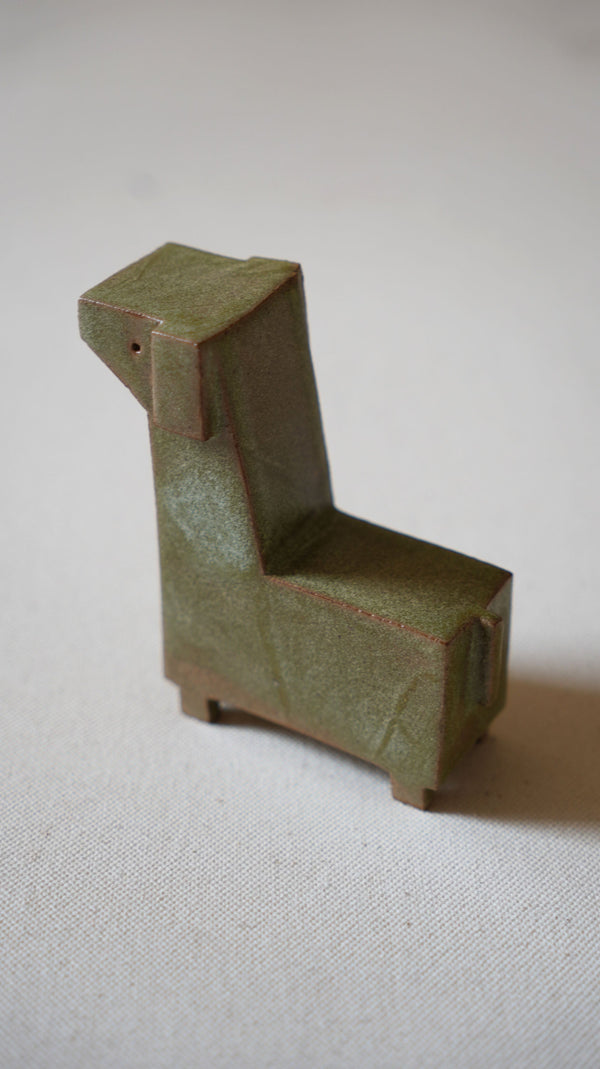
Amritanshu Prajwal is a product and furniture designer and the founder of Milimeter, a studio focused on craft, design, and sustainability. With over six years of hands-on practice, he works primarily with wood and clay, creating functional objects and sculptures that are meant to be lived with. Milimeter was started as a space to explore material-led making, limited-edition pieces, and slow, thoughtful production.
For Amritanshu, making is central to everyday life. His process begins with direct engagement with material, shaping by hand, testing proportions, and refining forms through use and observation. Clay and wood are chosen for their responsiveness and memory, with each piece developing through careful sourcing, studio testing, and time-intensive making. Clean lines and geometric forms guide his work, allowing material, balance, and function to remain at the forefront. Through Milimeter, he aims to create objects that sit comfortably between art and daily use, encouraging a more personal and lasting relationship with handcrafted work.
📍 Noida
Mishael George
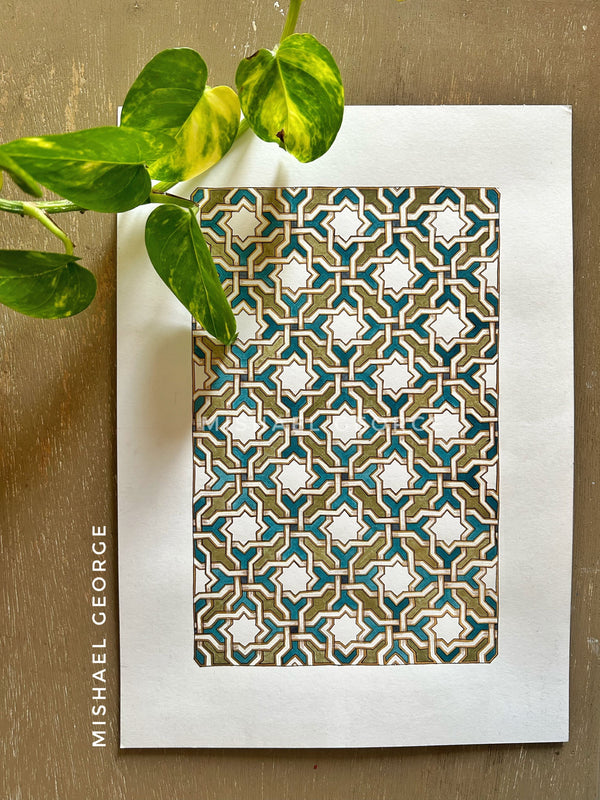
Mishael George is an artist based in Bangalore, where she lives and works from her home studio. She primarily works with acrylic paints, and also uses watercolours and colour pencils. After completing a degree in mass communication, she spent a summer painting full-time, which led her to pursue a four-year fine arts degree with a major in painting. She has been practicing her craft for over fifteen years and continues to paint every day as part of her routine.
Her work is rooted in careful, hands-on making. Mishael builds her compositions slowly, often beginning with geometric patterns drawn by hand using a compass and ruler, before layering paint over them. She is drawn to acrylics for their flexibility and to watercolours for their depth and movement, sometimes finishing her paintings with gold detailing that catches light from different angles. Depending on the piece, a painting can take anywhere from a few days to several months to complete. Alongside original artworks, she also adapts her paintings into functional art objects, reflecting how people often like to live with art in everyday forms.
📍 Bangalore
Mud and moon
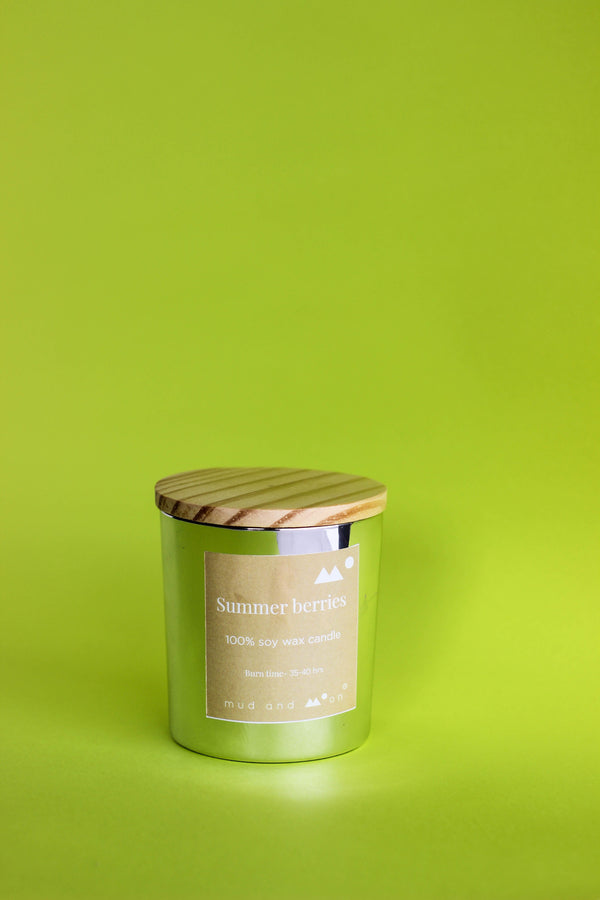
Mud and Moon is a design studio started by Dhanvi Shah based in Ahmedabad, India, pursuing artisanal cold process soaps. The studio creates soaps that are mindfully designed, hand-poured, and hand-cut in small batches. Mud and Moon focuses on true soap made through cold process saponification, using plant-based oils such as olive, sunflower, coconut, and castor oil, each chosen for its skin-loving properties. All bars are naturally coloured using ingredients like indigo, turmeric, clays, and botanical powders, and scented with essential or fragrance oils.
The practice behind Mud and Moon is rooted in a belief that bathing can be both sensory and restorative. Glycerin, a natural byproduct of cold process soap-making, is preserved within each bar, helping draw moisture into the skin. Free from SLS, parabens, and phthalates, the soaps are created as functional art-pieces. Alongside its core collections, Mud and Moon also creates custom soaps for weddings, events, baby showers, and corporate gifting.
📍 Ahmedabad
Papyrus Cotton
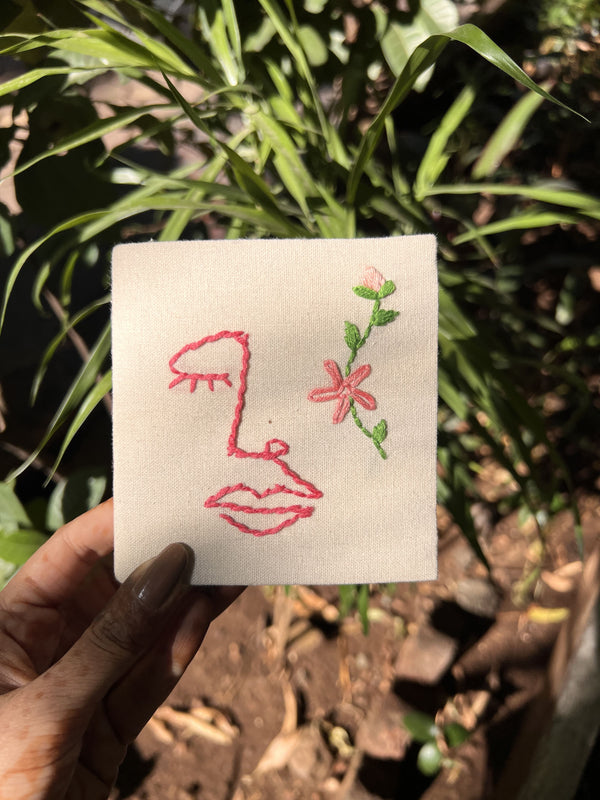
Dhanvi Shah is the founder and chief designer behind Papyrus Cotton, focusing on handmade diaries and paper objects, created through intuitive stitching and slow processes. Each diary is made in small batches and treated as a one of a kind piece, allowing variations to emerge naturally through handwork.
Her journey with Papyrus Cotton grew from a desire to bring softness and play into everyday objects, turning functional stationery into moments of quiet art. Much of her process balances gentle planning with instinct, where materials, florals, playful lines, and tiny details guide decisions as the piece takes shape. She is drawn to visual elements that feel tender and familiar, reflecting small pauses in daily life.
📍Mumbai
Patthar
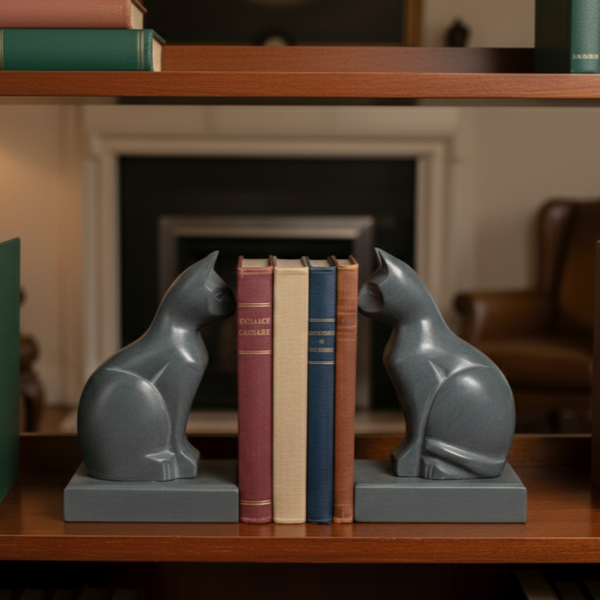
Patthar is a home decor brand founded by Leo Shastri and Arman Sahni, based in Delhi while working closely with artisan communities in Agra. Patthar focuses on handcrafted stone decor, created using traditional techniques. Each piece is carved by skilled artisans, using Palewa and Alabaster stone, and produced in small, thoughtful batches that highlight individuality and material character.
The journey of Patthar is rooted in a respect for stone, craft, and sustainability guided by a design philosophy of minimalism. By ensuring fair wages, ethical sourcing, and eco-friendly processes, the brand preserves generational craftsmanship. Through Patthar, the founders aim to bring affordable luxury into modern Indian homes, while empowering artisans and encouraging conscious, responsible consumption. Each object is designed to feel warm, functional, enduring, and deeply connected to people and place.
📍Delhi
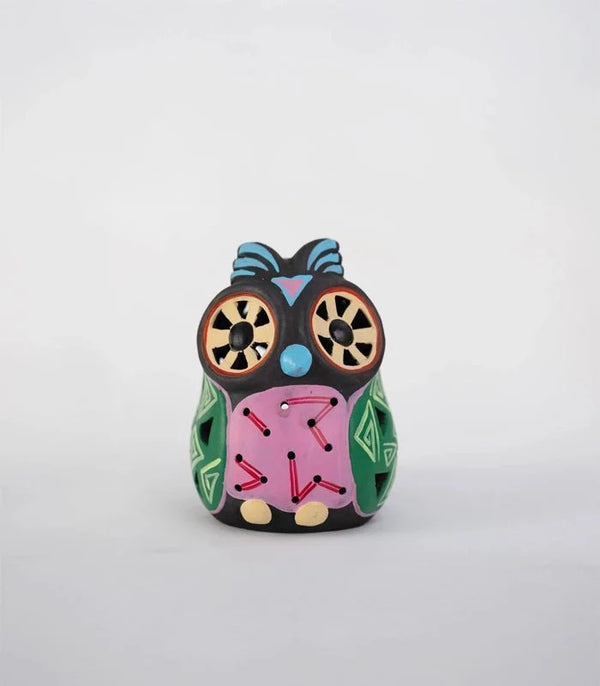
Pipihiri
Pipihiri is a terracotta art practice founded by Aditi and Ajay, sculpture graduates brought together by their shared love for clay and handcrafted storytelling. Rooted in terracotta yet deeply contemporary in approach, Pipihiri creates playful, expressive pieces inspired by animals, childhood nostalgia, and everyday emotions.
Working with terracotta for the past four years, the duo combines Aditi’s background in illustration and visual storytelling with Ajay’s expertise in pottery to reimagine traditional clay craft in modern forms. Every piece undergoes a layered process of shaping, firing, glazing, and painting, celebrating the beauty of handmade imperfections and individuality. Through Pipihiri, they aim to preserve the emotional and cultural connection of terracotta while encouraging people to value handcrafted objects over mass-produced alternatives.
📍New Delhi

Play Staples
Yash Vadher is the founder and chief designer behind Play Staples, an independent toy brand based in India. Play Staples focuses on handcrafted wooden vehicles designed for imaginative, open-ended play, using responsibly sourced wood and non-toxic, food-grade paints. Each piece is developed with care by skilled Indian artisans, intended to last across generations as both toy and heirloom.
His journey with Play Staples began after years of working as an architect and trained toy designer at a leading Indian toy company. Seeking a more personal and meaningful practice, Yash combined his love for storytelling, nostalgia, and sustainability into a single creative vision. He believes toys are tools for memory, connection, and imagination, not just play. Through Play Staples, he creates tactile, thoughtfully crafted objects that bridge generations and celebrate local craftsmanship and imagination.
📍Mumbai
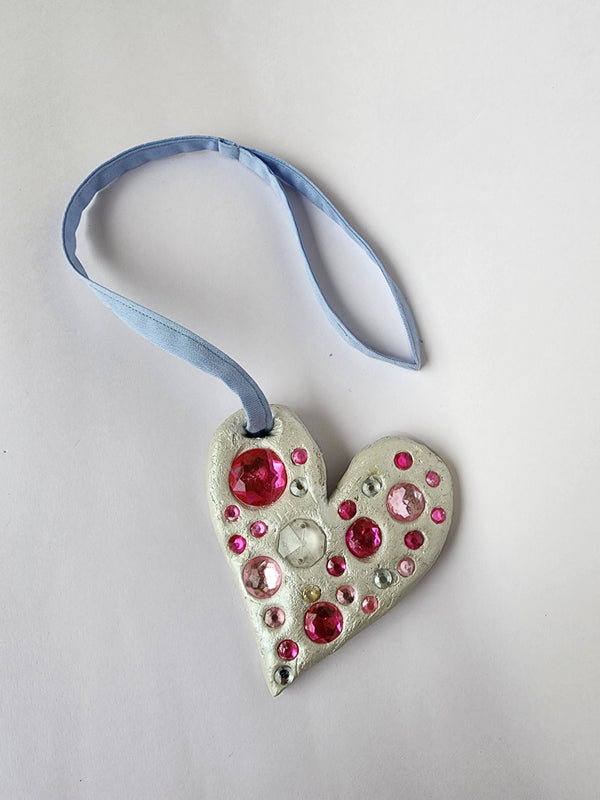
Rag Doll
Pallavi is the founder and maker behind Rag Doll, an independent clothing brand. Rag Doll focuses on made-to-order, handcrafted pieces created through a multidisciplinary practice that includes stitching, embroidery, sculpting, and painting. Each piece is individually produced by Pallavi, emphasizing size inclusivity, playfulness, and care.
Her journey with Rag Doll began in March 2021, during law school, when the pandemic gave her space to share personal creations online. A commission from a boutique marked the first time she was paid for her work and gave her the confidence to build the brand alongside her legal studies. After graduating, she pursued training at NIFT Mumbai and worked with Jaywalking’s design team before committing full time to Rag Doll in 2025. Rooted in childhood experiments with old clothes, her work celebrates whimsy and joy.
📍 Mumbai
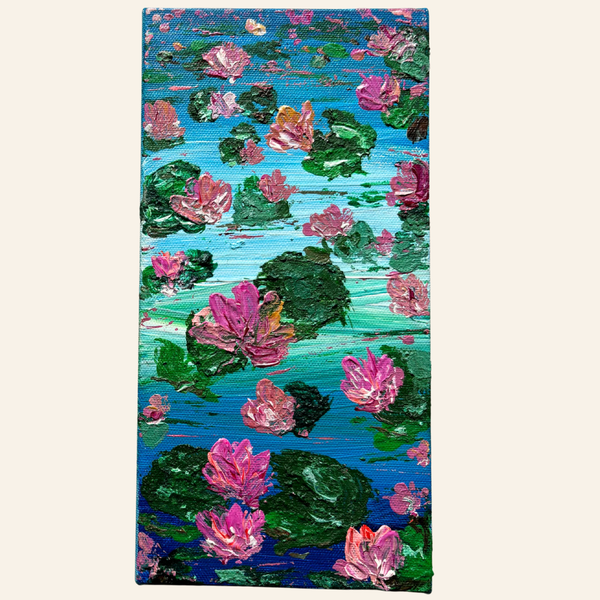
Rue Des Arts
Rue des Arts is an independent art practice by Aishwarya Ashok, rooted in travel, memory, and everyday observation. Based in Chennai, her work draws from seascapes, skylines, and quiet street corners where moments are captured through urban sketching and translated into paintings and collectible pieces. Each creation is designed as something to hold onto, a small, tangible way of reliving places and experiences.
Her practice extends across watercolour, acrylics, and alcohol ink, with products like hand-painted bookmarks and coasters that embrace fluidity, spontaneity, and one-of-a-kind patterns. Through Rue des Arts, she brings together art, travel, and storytelling, creating pieces that feel personal and calming.
📍Chennai
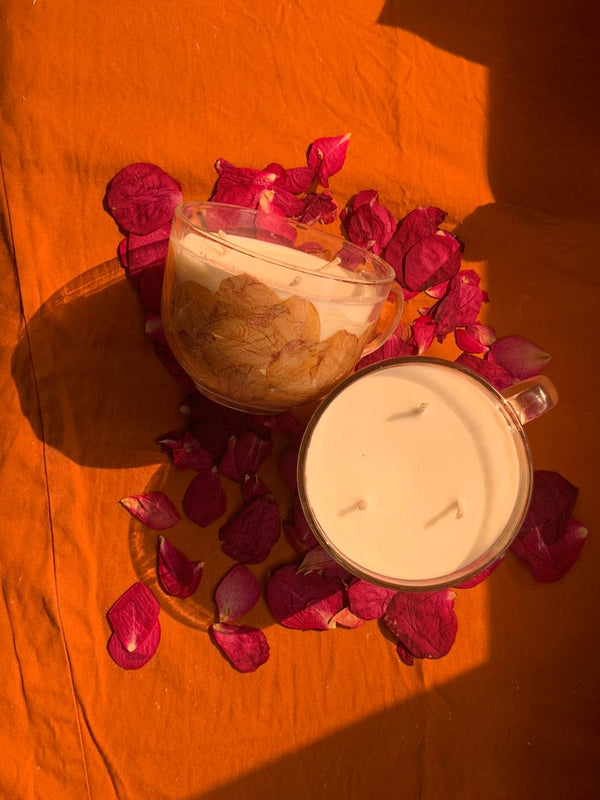
Sage o Tan
Sage o’ Tan is a candle brand started by best friends Anupama and Kashish. What began as a shared idea slowly turned into a year-long process of learning, unlearning, and building a practice they truly cared about. Today, they create soy wax candles poured into reusable ceramic mugs, designed to be used, lived with, and kept even after the candle is finished.
Their work focuses on candles as both functional objects and everyday art. Each piece is hand-poured using soy wax and mica, with fragrances inspired by Indian notes like lotus, champa, sage, cinnamon, and jasmine. Scent balancing is central to their process, developed through repeated testing and failed batches. The ceramic mugs are chosen for their form and feel, making every candle a complete object rather than a disposable container. For Anupama and Kashish, Sage o’ Tan is about making candles that fit naturally into daily life, carrying warmth, memory, and a sense of home.
📍 Delhi
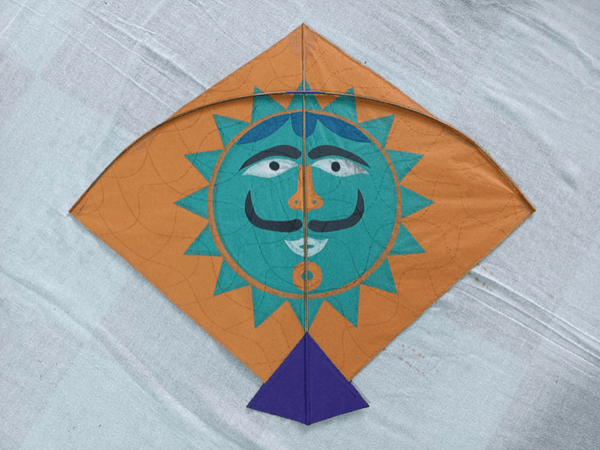
Shavez Mian
Shavez Mia is the artist behind Indian Fighter Kite, a traditional craft practice based in Rampur. He carries forward a meticulous handmade kite-making tradition, overseeing the process from designing and cutting to finishing each piece by hand. Indian Fighter Kite focuses on intricately crafted paper kites, where patterns are carefully cut from one sheet and layered with another to create detailed designs. Alongside kites, the practice also creates envelopes and small kite-shaped bookmarks, all produced slowly and with precision in limited numbers.
His journey with this craft began within his family, learning the practice from his father, a national award–winning artisan. Growing up in Rampur, Shavez absorbed the patience, discipline, and skill required to master decorative kite making. Today, he continues this legacy by preserving traditional techniques while sharing their beauty through objects. Through Indian Fighter Kite, Shavez honours inheritance, craftsmanship, and labour behind objects to soar.
📍Rampur
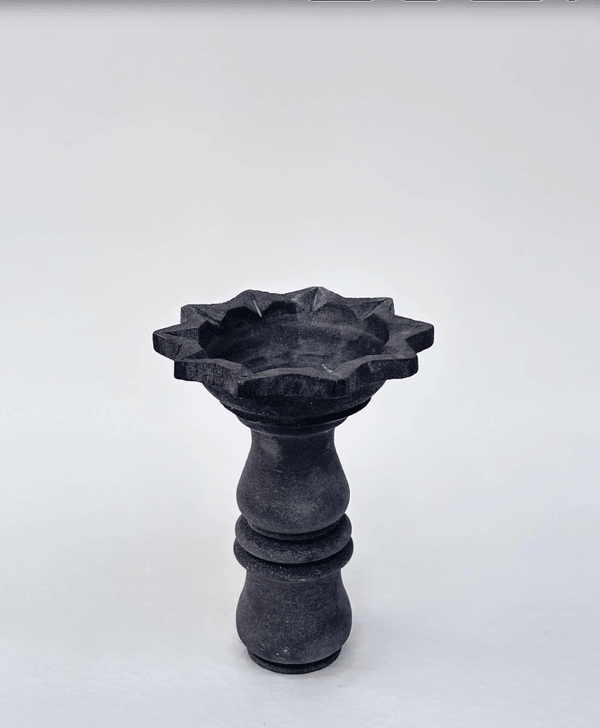
Shri Krushna Stonecraft
Pravakar Parida is the artisan behind Shri Krushna Stonecrafts, a traditional stone craft practice based in Iswarpur village, Odisha. The brand focuses on handmade stoneware created entirely by hand, including pickle jars, cups, glasses, thalis, bowls, and plates. Each piece is shaped slowly using age-old techniques, balancing everyday functionality with cultural memory.
His journey with stone carving began within his family home, where the craft has been practiced for generations. Pravakar learned the skills of stone carving from his father, Bhagaban Parida, absorbing both technique and respect for the material. Over the past few years, he has worked to bring a contemporary sensibility to this inherited craft while remaining rooted in tradition. Through Shri Krushna Stonecrafts, Pravakar creates objects that carry the spirit of his land and community and heritage.
📍Orissa
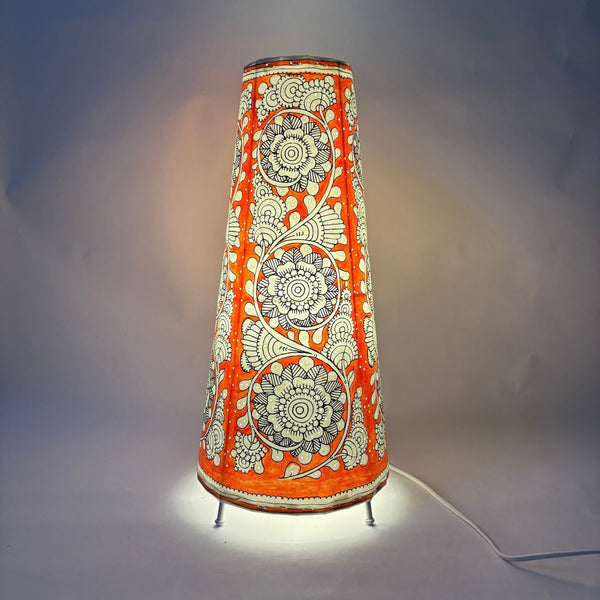
Sindhe Siva Leather Puppets
Sindhe Siva is a leather puppet artist based in Andhra Pradesh. He practices the traditional art of Tholubommalata and works across leather puppets, lampshades, wall clocks, paintings, hangings, jewellery pendants, necklaces, floor lamps, and hanging lamps.
His journey with leather puppetry is shaped by growing up in a village known for its lineage of master craftsmen and is home to several State Award, National Award, National Merit Award, and Padma Shri recipients. This legacy informs his discipline and values. Working with leather and hand-painted detailing, he preserves traditional techniques while adapting them into contemporary objects. Through performances, teaching, and handcrafted works, Sindhe Siva sustains the tradition, ensuring its continuity across generations.
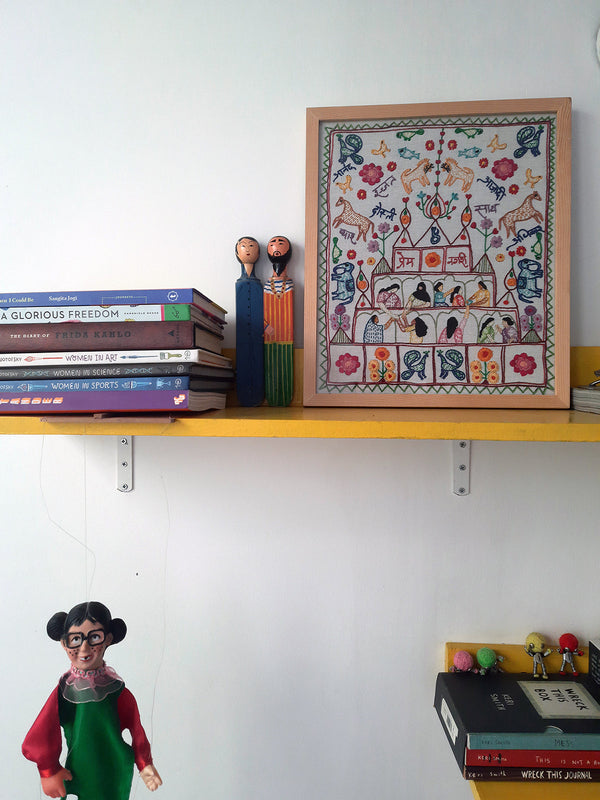
That Thing I Do
Pooja Dhingra is the founder and creative force behind That Thing I Do, an independent art and graphic practice based in India. Working as a conceptualiser, graphic designer, and art director, she moves fluidly between personal, commissioned, and socially driven projects. Alongside her studio practice, she founded Compassion Contagion, an online archive initiated during the pandemic that documents everyday acts of resilience through art and graphic narratives, and Rafooghar – the house that mends, a community space in New Delhi where embroidery and textiles become tools for emotional repair, rest, rejuvenation, and resistance. A
cross all her work, storytelling, care, and community remain central. Her work often uses humour, satire, and narrative design to challenge patriarchal norms, engage with environmental concerns, and transform personal travels and observations into visual stories. Through That Thing I Do, she creates art primarily for joy, sanity, and resistance, valuing emotional honesty, wit, and lived experience over polish or convention.
📍 Noida
The Crafted Memories
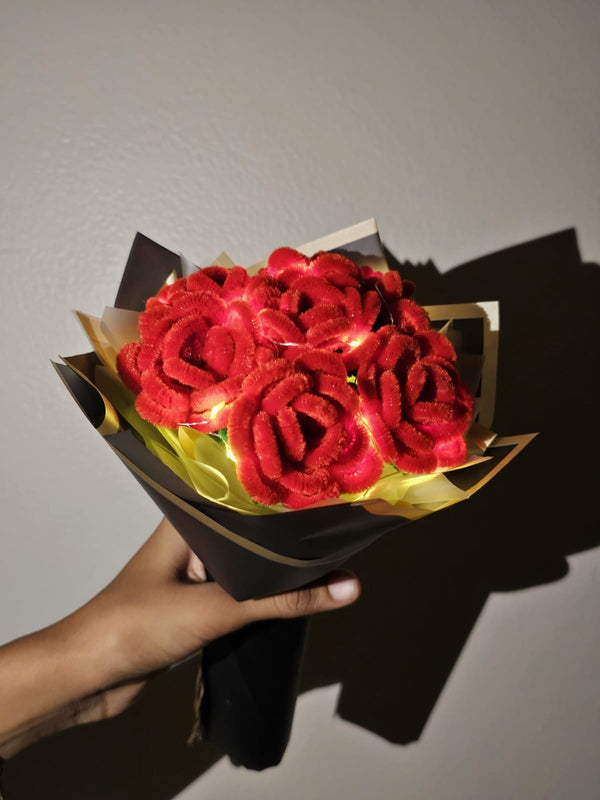
Yashvi is the artist behind The Crafted Memories. She has been practicing quilling since 2018, a childhood hobby that slowly grew into a small business. Over the past few months, she has also been creating chenille flower pots and bouquets. Today, her work focuses on handcrafted pieces made to last, created with care, patience, and attention to detail.
Yashvi works mainly with quilling paper and chenille stems, shaping them by hand to create flowers and decorative pieces with depth and structure. Her process begins with close observation of the colour, texture, and natural bends of real flowers before forming each petal. In chenille flowers, she builds texture using pollen details and carefully assembles each part to achieve a lifelike form. Quilling remains her most time-intensive medium, where finishing and precision come only after hours of practice. For Yashvi, selling her work is a professional commitment to quality, offering pieces that hold personal meaning and stay with the customer for years.
📍Mumbai
The Mango House
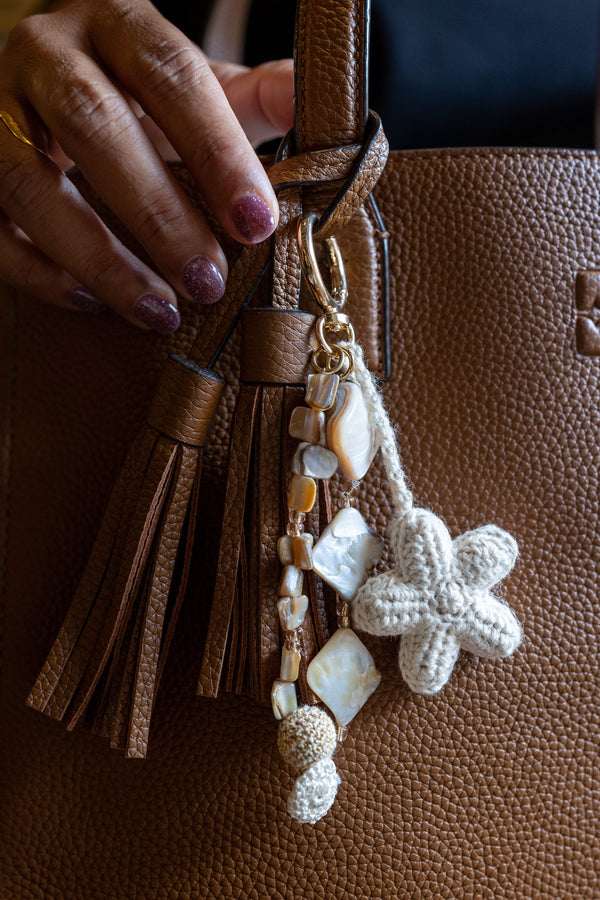
The Mango House founded by Rupinder Kaur is a social enterprise based in Goa, celebrating local craft, design, and women artisans. It works across souvenirs, handbags, accessories, and home decor, blending timeless crochet skills with contemporary design. The organisation focuses on empowering marginalised women through structured craft training, upskilling, and steady work-from-home income opportunities.
All products are handcrafted in Goa using surplus yarns and materials, following zero-waste and circular design practices. Her work connects community resilience with thoughtful design collaboration, using storytelling to create sustainable livelihoods and social impact.
📍Goa
Tinieknits
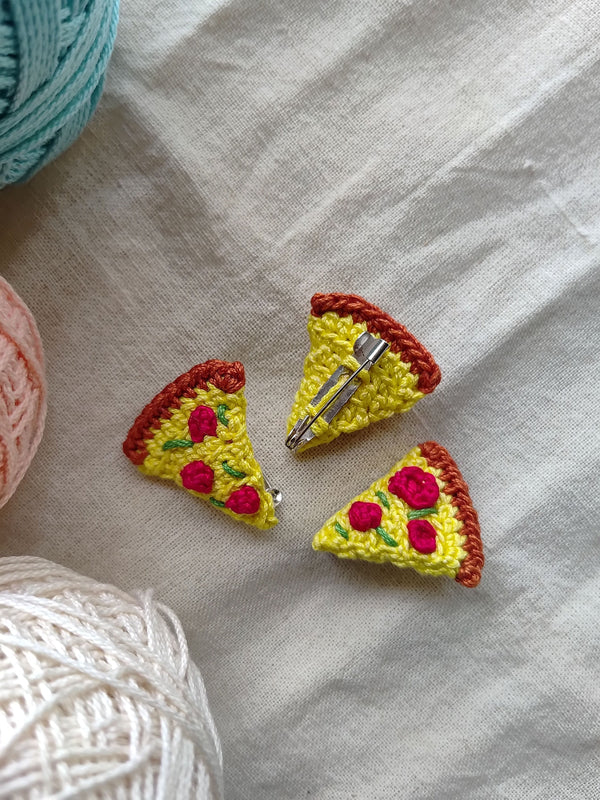
Lex is an animator and artist based in Mumbai, and the founder of Tinieknits. They began crocheting in 2019 after growing up around handmade practices at home, where sewing, embroidery, knitting, and other crafts were a part of daily life. Over time, crochet became their primary medium, especially miniature crochet and amigurumi, which allowed them to combine form, character, and storytelling in small, tactile ways. Tinieknits started as a college project and slowly grew into a full-fledged brand built around handmade accessories and small creatures meant to be carried, used, and lived with.
Their process is slow and hands-on, shaped by hours of repetition, focus, and experimentation. Each piece is crocheted by hand, with time varying based on size, complexity, and colours. Community, identity, and self-expression play an important role in their work, with the brand created as a space where people can find objects that feel personal, comforting, and reflective of who they are.
📍 Mumbai
Unbaked
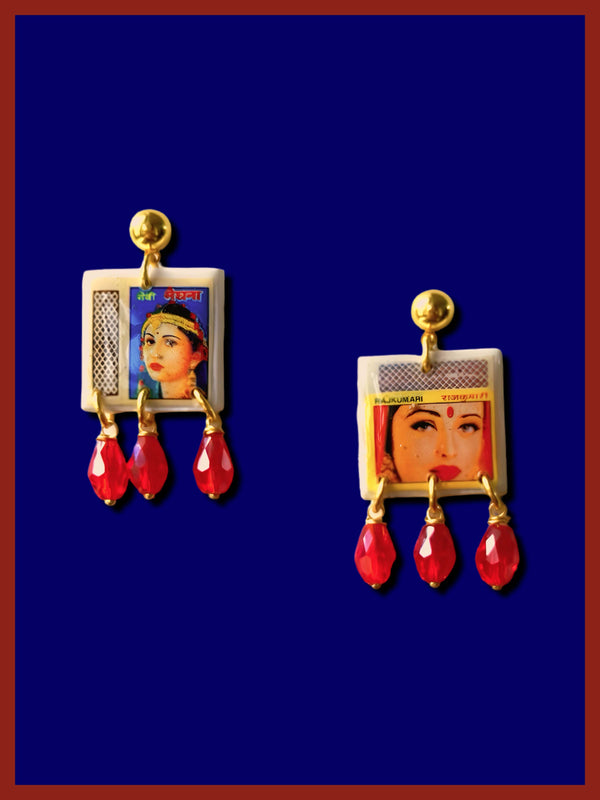
Samriddhi Balasubramaniam is the founder and maker behind Unbaked, an independent jewellery brand based in India. She runs the brand end to end, from design and making to packing and customer conversations. Unbaked focuses on handmade jewellery created entirely by hand, with polymer clay as its primary medium. Each piece is designed and produced by Samriddhi herself, in small batches.
Her journey with Unbaked began in 2019, during a period of personal and professional uncertainty, when she returned to working with polymer clay she had first explored in college. What started as a form of emotional release slowly became a full-time practice. She has been working professionally with this craft for over six years, and experimenting across creative mediums for more than a decade. Polymer clay remains central to her work because of its flexibility and speed, as it allows her to quickly translate ideas into finished pieces by hand. Her designs often draw from everyday South Indian references such as malli flowers, kaapi, and Madras checks, shaped by her experiences of growing up in Chennai and living away from home since the age of 17. Through Unbaked, Samriddhi creates jewellery that values individuality, process, and emotional connection over trends or mass production.
📍Bangalore
USE ME WORKS
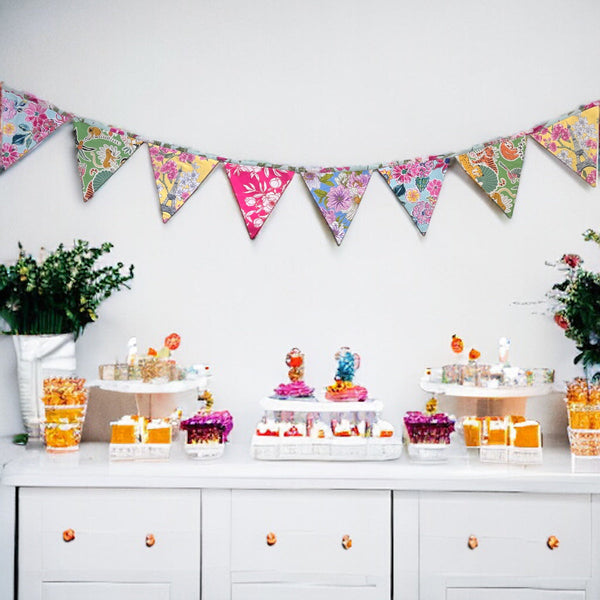
Meenakshi Sharma is the founder of Use Me Works, a women-led social enterprise that creates bags, accessories, and zero-waste decor using upcycled textile waste. She has been working with textile-based craft for nearly 15 years and leads a growing community of women artisans who hand-make every piece. The brand focuses on transforming discarded fabric into functional, reusable products through thoughtful design and skilled handwork.
Meenakshi’s journey began with working closely with fabric scraps and exploring how waste could be turned into something useful and well-made. Her medium is textile waste, sorted by colour, size, and texture, then stitched, layered, and assembled by hand. Design decisions are often shaped by the materials available, allowing each piece to remain unique. From everyday products to event decor like buntings and backdrops, the process is slow and hands-on, ensuring nothing goes to waste. Through Use Me Works, she continues to build sustainable livelihoods for women while offering alternatives to single-use, mass-produced decor.
📍 New Delhi
Vivikoh Studio
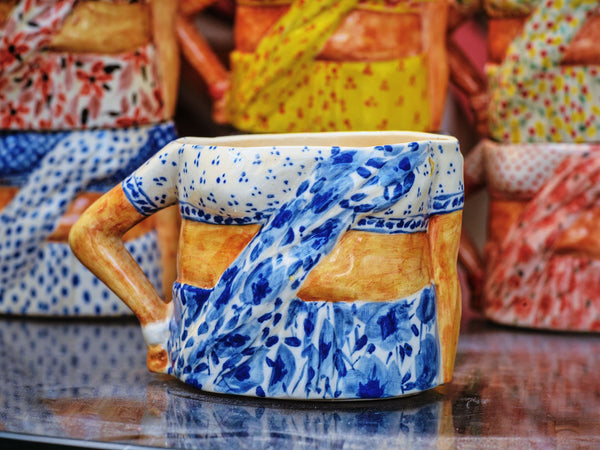
Vivitsa Kohli is a ceramicist and visual artist who has been practicing for over seven years and running her studio-led brand Vivikoh Studio since 2019. Drawing and painting from a young age, she grew up around making, watching her mother work across mediums, and learning to be comfortable using her hands early on. Though ceramics began as a second choice during her time at NID, the medium became central to her practice after she discovered its wider international scope. Today, ceramics are the primary language through which she builds her work and her brand.
Vivitsa works hands-on at every stage, moving between large-scale builds and detailed surface work, often pushing clay to resemble materials it is not usually associated with. Each piece can take anywhere from two weeks to nearly two months to complete, depending on scale and complexity. Her studio now functions as a collaborative space where she trains potters in her techniques to help carry her vision forward. Drawing from pop culture, people, clothing, and everyday observations, her ceramic objects are character-driven and direct, made to be used, lived with, and participated in rather than just observed.
📍 Panchkula
Zhalkesi
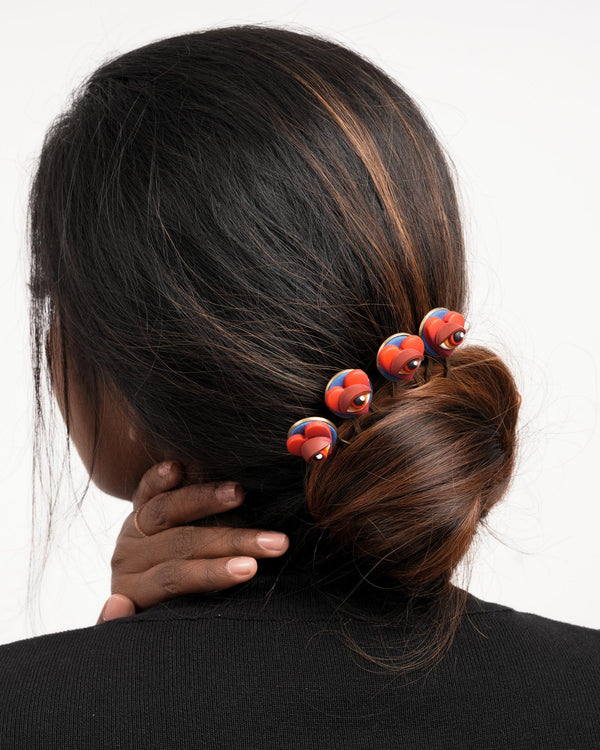
Maria is the founder and designer behind Zhalkesi, a jewellery brand rooted in Tamil culture and everyday rituals. She has been practicing her craft since around 2021, working primarily with polymer clay to create wearable pieces inspired by memory, symbolism, and daily life. Zhalkesi began as a natural extension of her long relationship with art and design, shaped by a desire to tell cultural stories through jewellery.
Maria chose polymer clay for its flexibility and ability to hold texture, colour, and detail. Each piece is shaped, refined, cured, and finished by hand, a process that can take anywhere from a few hours to several days depending on the design. Her collections move between references to traditional forms, such as temple jewellery, and familiar moments like filter coffee mornings, treating both with equal care. Mistakes and material surprises are part of her process, often leading to new finishes and forms. Through Zhalkesi, she creates jewellery that carries story, intention, and a strong sense of place, while remaining open and meaningful to people beyond Tamil Nadu.
📍 Chennai